
Regenerative Property Design (Designing Sustainable Living)
Sustainable architecture / Sustainable agriculture
Transforming land parcels into thriving, autonomous living systems.
Contact

5th World
Company Established Year
Who is this solution for
Info
Available


Looking


Project Status
Looking to expand internationally
Doing business in
Product description
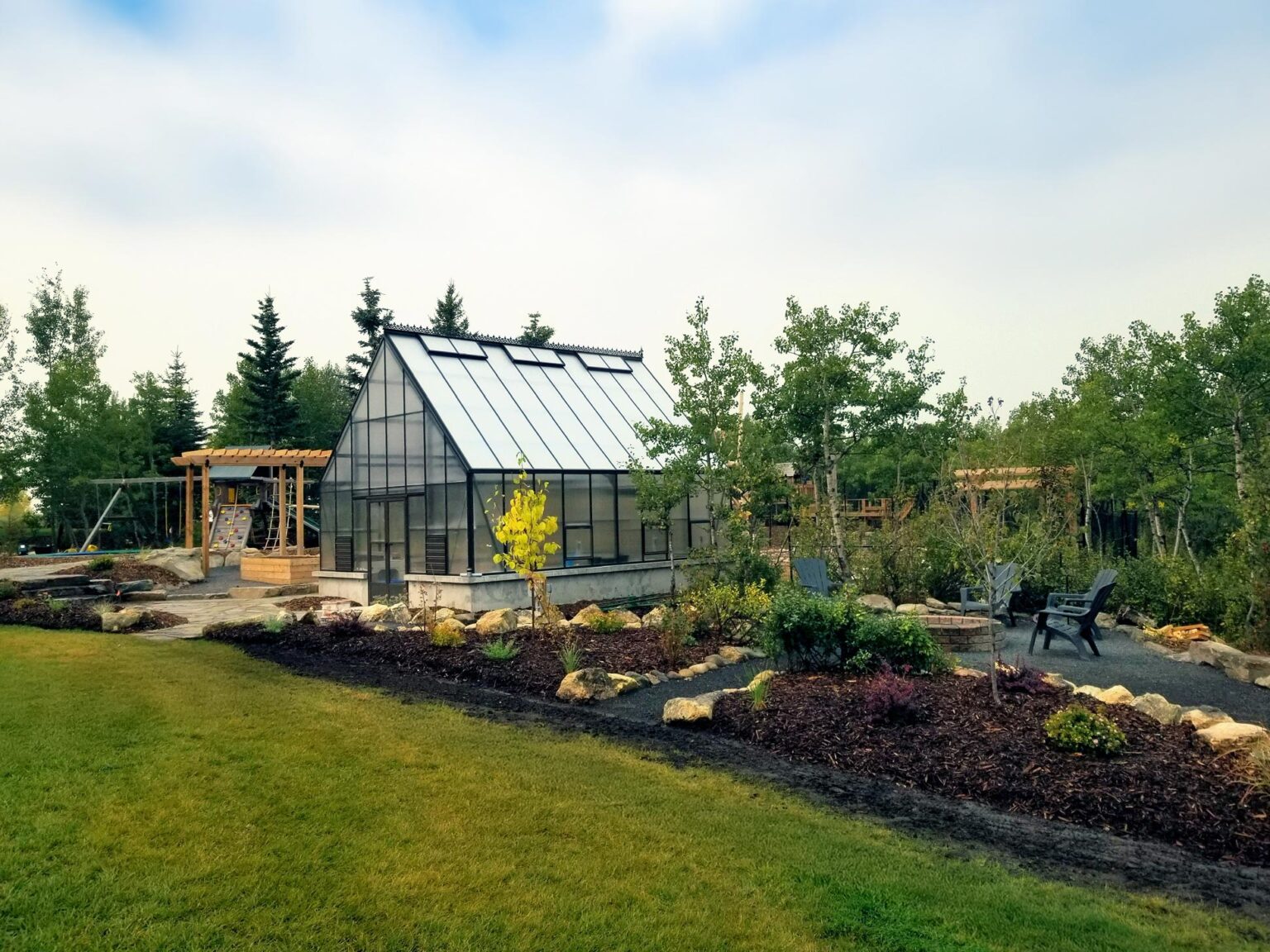
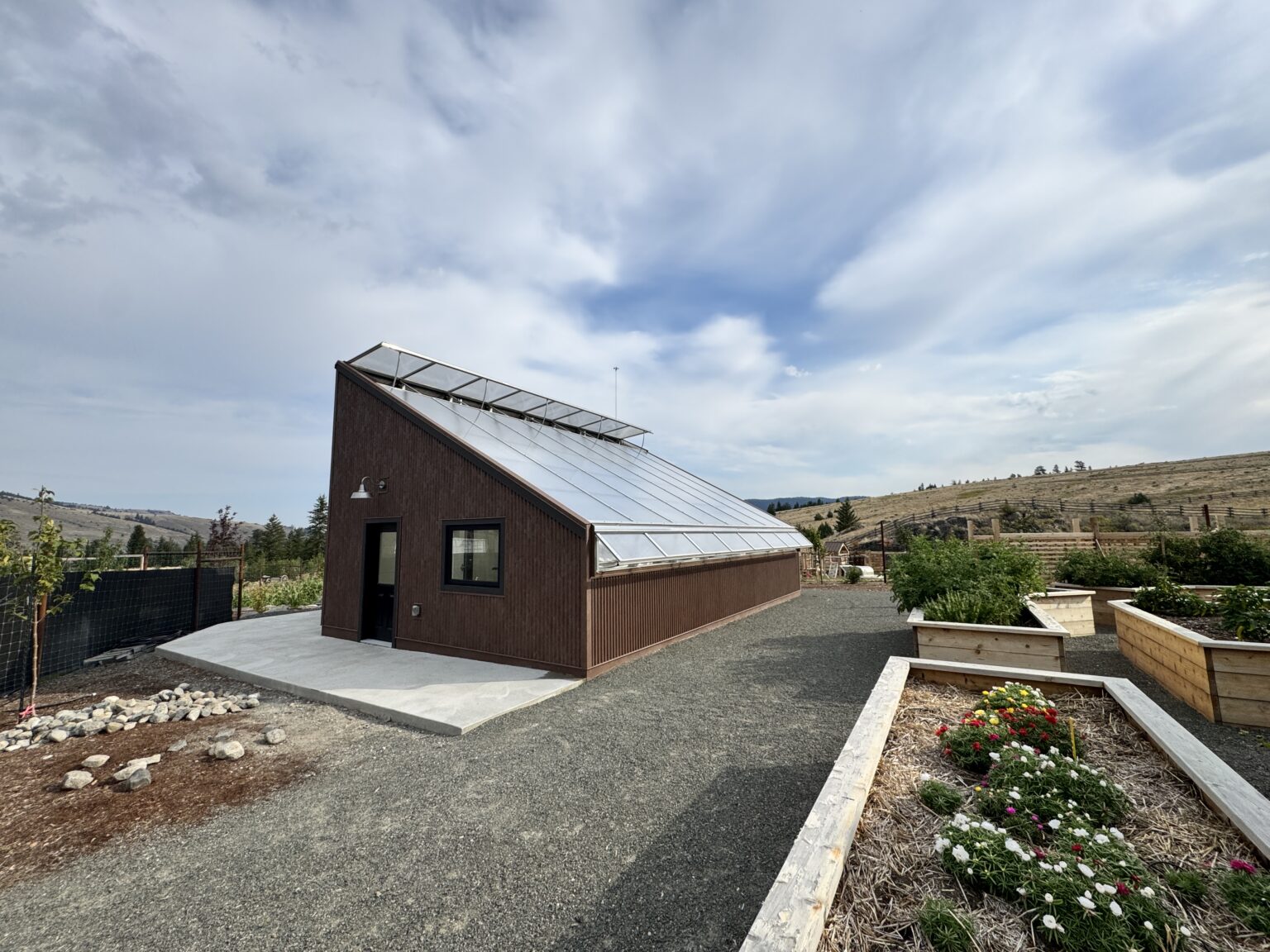
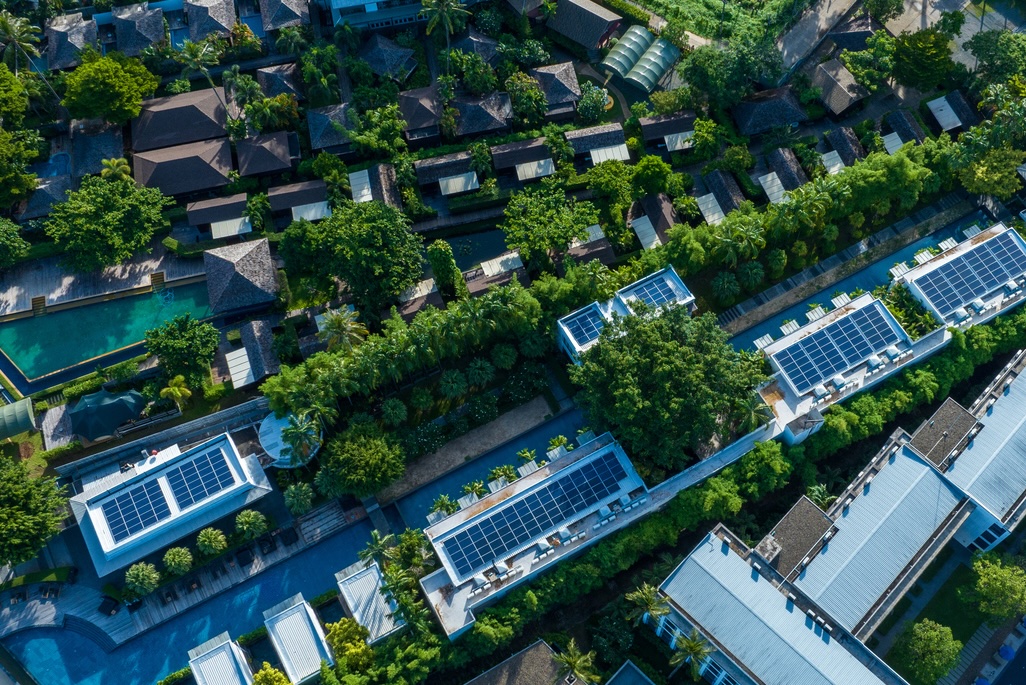
Regenerative Property Design (Designing Sustainable Living) is a comprehensive service that transforms land parcels into thriving, autonomous living systems. The process begins with understanding the client’s vision and site constraints. Remote assessments are conducted using proprietary data tools to consider topography, climate, hydrology, and ecology. Concept designs are created, followed by detailed designs for integrated systems in water, energy, food, and land. These systems include passive solar greenhouses with climate battery technology, rainwater capture and storage, greywater recirculation, microgrid solar power, edible landscaping / food forests, and ecological land shaping (such as swales, ponds, and soil regeneration). Clients can opt for 5th World to oversee construction and maintenance for proper implementation and long-term performance. The design is bespoke and holistic, with interconnected components supporting each other: water reuse supports gardens, energy powers infrastructure, and landscape design promotes biodiversity and microclimates. The goal is to create properties that sustain themselves, regenerate the land, adapt to climate change, and provide abundance (clean water, nutritious food, and resilient energy) over decades.
Key characteristics and environmental benefits
Key Characteristics (with emphasis on sustainable living design)
-
Holistic, systems-based design: food + water + energy + land
-
Use of passive solar greenhouses with climate battery technology
-
Rainwater harvesting, storage, and greywater reuse
-
Microgrid solar power systems and energy management
-
Land shaping (swales, ponds, contours) for water capture and soil health
-
Integration of food forests, edible landscapes, permaculture design
-
Bespoke design process: from remote assessment → concept → detailed engineering → implementation
-
Strong discipline in ecological and engineering integration
-
Option to oversee build and maintenance to ensure design fidelity
-
Long experience (20+ years cited in their team’s capabilities) in regenerative and systems design
Environmental & Societal Benefits
-
Reduces dependence on external resource systems (grid electricity, municipal water, imported food)
-
Enhances soil health, biodiversity, and ecosystem resilience
-
Captures, stores, and reuses water, reducing runoff and water stress
-
Promotes climate adaptation by making properties more resilient to extreme weather
-
Helps sequester carbon via regenerative land practices and planting
-
Provides food security and year-round fresh produce on-site
-
Lowers energy consumption and emissions by employing passive and clean systems
-
Encourages regenerative life practices and ecological awareness among inhabitants
-
Reduces environmental impact of development by preserving natural systems
-
Supports long-term sustainability and legacy of land stewardship
About the Company
Notification!
Please log in or create a Bip account to like comments.
Login to BIP
Discussion & Comments
You can leave any questions you have here.You need to log in to write a comment. If you don’t have an account yet, you can create one in just a few seconds.
Ask about Regenerative Property Design (Designing Sustainable Living)
Hi there! I’m here to help you quickly understand what this green solution is about — without needing to read the full page.
You can ask me things like:
- What problem does it solve?
- How does it help the environment?
- What makes it different?
Let’s explore together!
You can try asking:
Oops, it seems like you're not a member.
Sign up! It's free. You'll be able to read all the articles you like, download PDFs, and get in contact with the respective owners.
Have an account already? Sign in here