
Solar Energy
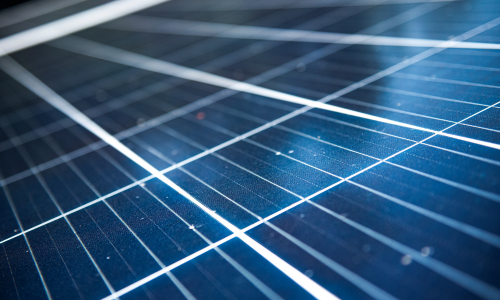
Twenty years ago, solar power was still a relatively small part of the global energy system. Today, it generates more than 8% of the world's electricity — and it is growing faster than ever.
But perhaps the most exciting chapter of solar is only just beginning.
The familiar rectangular panel on a rooftop is no longer the only option. Solar technology is becoming lighter, more flexible, more efficient and increasingly integrated into the world around us.
Roofs can generate electricity. So can façades, balconies, windows, agricultural fields, parking structures and even surfaces that were never previously considered suitable for solar.
So what does the future of solar look like?
Explore some of the technologies and applications that are changing where — and how — we can generate power from the sun.
Rooftop and Residential solar
Still the workhorse of the solar world — and getting smarter every year.
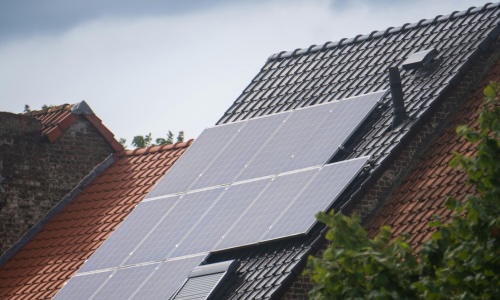
For most homes and businesses, solar still means one thing: panels on a roof. High-efficiency monocrystalline and TOPCon panels now squeeze more power out of the same roof space than ever before, while smart inverters, optimisers and monitoring apps turn every installation into a live, trackable energy asset rather than a static fixture.
Ground-mount & large-scale solar
Where solar goes big — fields, farms and floating platforms.
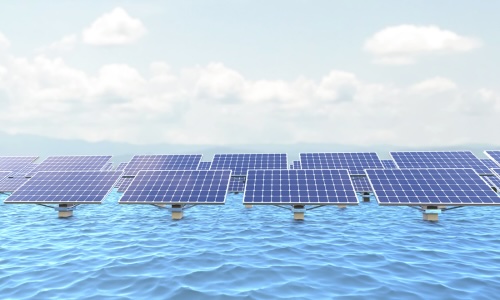
Solar farms are where the technology scales fastest. Bifacial panels capture reflected light from both sides for 5–20% more output, tracking systems follow the sun through the day, and floating solar — panels mounted on reservoirs and lakes — is putting generation on water instead of competing with agriculture or nature for land.
Building-integrated solar (BIPV)
When the panel becomes the building.
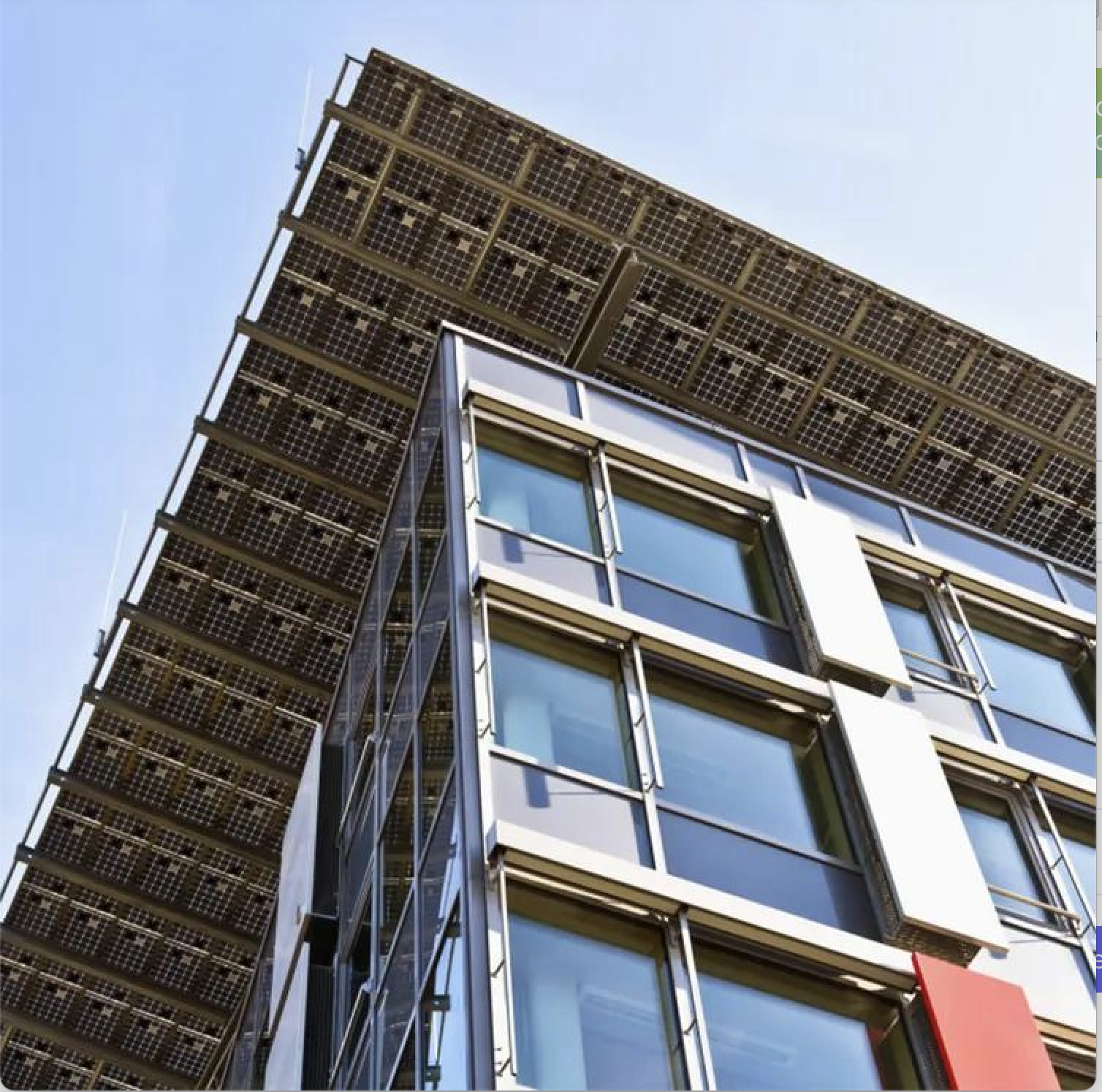
Building-Integrated Photovoltaics replace conventional roof tiles, facades and glazing with solar-generating material — turning the building envelope itself into a power plant. What was once a niche architectural feature is fast becoming a serious net-zero building strategy, driven by policy in the EU and rapid adoption across Asia.
Flexible, portable & off-grid solar
Solar that bends, folds and travels.
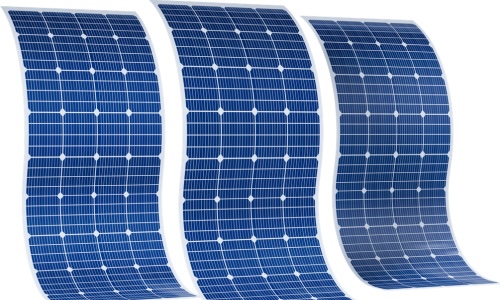
Thin-film and flexible panels trade a little efficiency for something rigid rooftop solar can't offer: they curve around uneven roofs, fold into a backpack, and go wherever the sun does. From disaster relief kits to boats, camper vans and remote clinics, these are the panels doing their work far from any grid.
Balcony & small-space solar
Solar for the majority of us who don't own a roof.
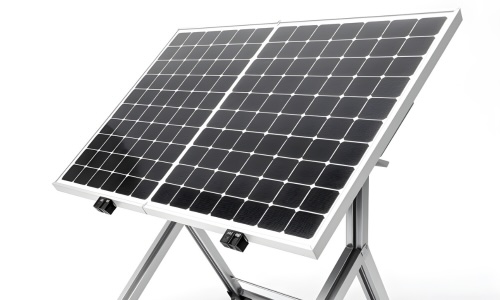
Plug-in balcony solar — small enough to hang from a railing, simple enough to plug straight into a household socket — is turning apartment dwellers and renters into energy producers for the first time. It's already mainstream in parts of Europe, and remains one of the fastest ways to bring solar into dense cities.
Vertical & space-saving solar
Turning fences, facades and roadsides into power lines.
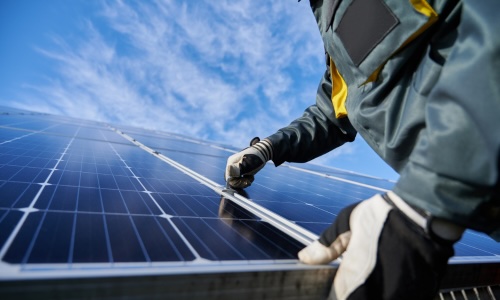
Standing panels upright — as fences, noise barriers or carport structures — makes solar possible on land that was never meant for it. Vertical bifacial installations catch morning and evening sun particularly well, and are increasingly lining highways, farms and car parks instead of taking up open ground.
Next-generation solar
Still mostly in the lab — but not for much longer.
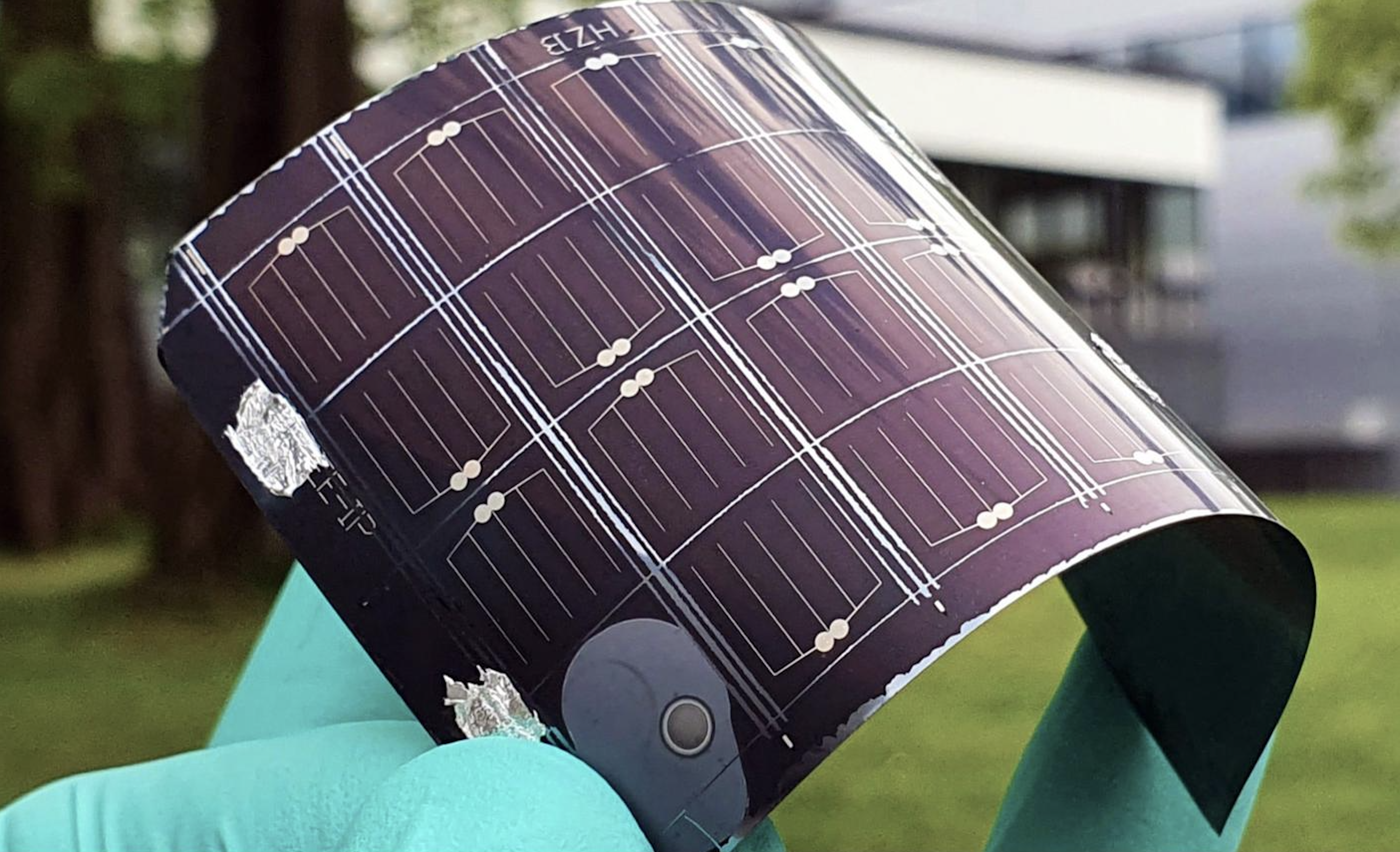
Perovskite-silicon tandem cells are the most talked-about breakthrough in solar right now, targeting efficiencies around 30% against roughly 18–22% for today's mainstream silicon panels. Most of this is still pre-commercial for everyday buyers — expect mainstream availability from 2027–2028 — but it is worth tracking closely, alongside AI-driven monitoring systems already reaching the market today.
|
Our Role Brilliant Ideas Planet (BIP) is a neutral convening platform — connecting businesses, experts, and citizens with the leading ideas, tools, and partners for building a better tomorrow. We do not promote a single technology or manufacturer. Instead, we showcase what's working — globally — so that individuals, cities and companies can adapt the best ideas to their own climate, budget and circumstances. |
Oops, it seems like you're not a member.
Sign up! It's free. You'll be able to read all the articles you like, download PDFs, and get in contact with the respective owners.
Have an account already? Sign in here